Understanding PCOS: Dr. Neha Mehta's Comprehensive Guide to Polycystic Ovary Syndrome
Dear Readers,
As a gynaecologist, I often encounter women grappling with various reproductive health challenges. Among these, Polycystic Ovary Syndrome (PCOS) is one of the most common and, at times, most misunderstood conditions. It affects millions of women worldwide, and its impact can range from bothersome symptoms to serious long-term health implications. My aim today is to demystify PCOS, provide clear, medically accurate information, and empower you with knowledge to manage your health effectively.
What is Polycystic Ovary Syndrome (PCOS)?
PCOS is a complex hormonal disorder that affects women during their reproductive years. It's characterised by an imbalance of reproductive hormones, which can lead to problems in your ovaries. Your ovaries are responsible for producing eggs and hormones like oestrogen and progesterone, as well as small amounts of androgens (male hormones). In PCOS, the ovaries may produce higher-than-normal levels of androgens, interfering with the development of eggs and their regular release.
This hormonal imbalance doesn't just affect the ovaries; it can impact various systems throughout your body, leading to a range of symptoms and potential health concerns.
Common Symptoms of PCOS
The symptoms of PCOS can vary significantly from woman to woman, both in type and severity. They often begin around the time of the first menstrual period, but can sometimes develop later. Here are some of the most common indicators:
- Irregular Periods: This is one of the most common signs. You might have infrequent periods (oligomenorrhea), no periods (amenorrhea), or unusually heavy or prolonged periods. This is due to the lack of regular ovulation.
- Excess Androgen: Higher levels of male hormones can lead to:
- Hirsutism: Excessive hair growth on the face, chest, back, or abdomen.
- Acne: Severe acne, particularly on the face, chest, and upper back.
- Androgenic Alopecia: Thinning hair or hair loss on the scalp, resembling male-pattern baldness.
- Polycystic Ovaries: On an ultrasound, your ovaries may appear enlarged and contain multiple small cysts (follicles) that don't develop and release eggs regularly.
- Weight Gain and Difficulty Losing Weight: Many women with PCOS experience unexplained weight gain or struggle to lose weight, often around the abdominal area. This is often linked to insulin resistance.
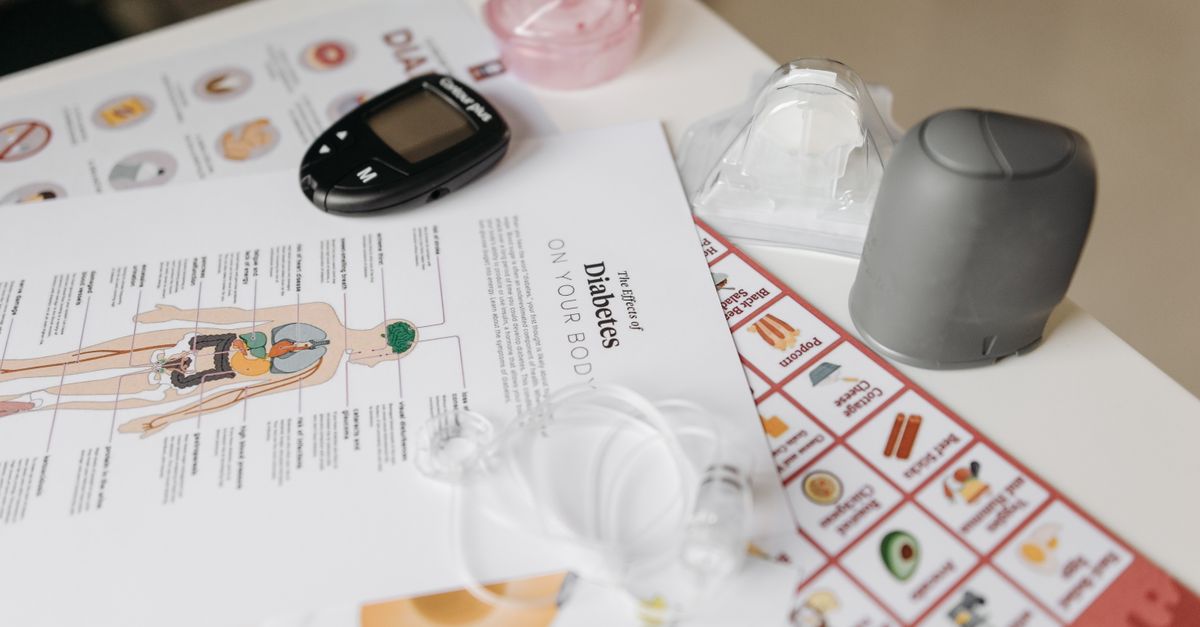
- Insulin Resistance: This is a key feature of PCOS, where your body's cells don't respond effectively to insulin. This can lead to elevated blood sugar levels and increased insulin production, potentially increasing the risk of type 2 diabetes. Symptoms might include fatigue and dark patches of skin (acanthosis nigricans).
- Fertility Issues: Irregular or absent ovulation makes it harder to conceive naturally.
- Mood Changes: Women with PCOS are at a higher risk of experiencing anxiety, depression, and mood swings.
Diagnosing PCOS
Diagnosing PCOS involves a careful assessment of your symptoms, medical history, and specific tests. There isn't a single definitive test for PCOS. Instead, gynaecologists typically use the Rotterdam criteria, which require you to have at least two out of the following three features, after excluding other conditions:
- Irregular or absent periods (evidence of oligo- or anovulation).
- Clinical signs of hyperandrogenism (like hirsutism, severe acne, or hair loss) or biochemical signs (elevated androgen levels in blood tests).
- Polycystic ovaries on ultrasound (seeing 12 or more follicles in each ovary, or an increased ovarian volume).
Blood tests are crucial to measure hormone levels (androgens, LH, FSH, prolactin, thyroid hormones) and to check for insulin resistance, glucose tolerance, and lipid profiles. An ultrasound scan helps visualise the ovaries.
Managing PCOS: A Holistic Approach
While there's no 'cure' for PCOS, it is absolutely manageable. The treatment approach is highly personalised, focusing on alleviating your specific symptoms and reducing long-term health risks. My approach always integrates lifestyle changes with targeted medical interventions.
1. Lifestyle Modifications
These form the cornerstone of PCOS management and are often the first line of treatment:
- Dietary Changes: Focus on a balanced diet rich in whole grains, lean proteins, fruits, and vegetables. Limiting refined carbohydrates, sugary drinks, and processed foods can significantly improve insulin sensitivity and aid in weight management.
- Regular Exercise: Aim for at least 150 minutes of moderate-intensity exercise per week. Physical activity helps improve insulin sensitivity, supports weight management, and can boost mood.
- Weight Management: Even a modest weight loss (5-10% of your body weight) can significantly improve symptoms like irregular periods, insulin resistance, and fertility.
- Stress Management: Techniques like yoga, meditation, deep breathing exercises, or spending time in nature can help manage stress, which can sometimes exacerbate hormonal imbalances.
2. Medication
Depending on your symptoms and goals, medications may be prescribed:
- Oral Contraceptives: These help regulate menstrual cycles, reduce androgen levels, and improve acne and hirsutism.
- Anti-androgen Medications: Can be prescribed to further reduce excessive hair growth and acne.
- Metformin: Primarily used for insulin resistance, it can also help regulate menstrual cycles and assist with weight management.
- Fertility Medications: For women trying to conceive, medications like clomiphene citrate or letrozole can stimulate ovulation.
- Topical Treatments: For acne or excess hair.
3. Emotional Well-being and Support
Living with a chronic condition like PCOS can be emotionally challenging. Seeking support from family, friends, support groups, or a mental health professional can be incredibly beneficial for managing anxiety, depression, and body image concerns.
Dr. Neha Mehta's Advice: Living Empowered with PCOS
My dearest patients, if you've been diagnosed with PCOS or suspect you might have it, please know that you are not alone, and there is hope. PCOS is not a life sentence, but a condition that requires understanding and proactive management. My advice to you is:
- Don't self-diagnose: Symptoms can overlap with other conditions. A proper diagnosis from a gynaecologist is vital.
- Embrace a holistic approach: While medication plays a role, empowering yourself through lifestyle changes is paramount. Small, consistent efforts make a huge difference.
- Be patient and persistent: Managing PCOS is a journey, not a sprint. Results may take time, but consistency is key.
- Communicate openly with your doctor: Share all your symptoms, concerns, and goals. This helps tailor the most effective treatment plan for YOU.
- Focus on long-term health: Beyond immediate symptoms, managing PCOS reduces your risk of future complications like type 2 diabetes, heart disease, and endometrial cancer.
- Find your support system: Connect with others, whether online or in person. Sharing experiences can be incredibly validating and empowering.
Conclusion
PCOS is a complex and highly individual condition. While it presents unique challenges, with the right information, a committed approach to lifestyle, and dedicated medical guidance, you can effectively manage its symptoms and live a healthy, fulfilling life. Early diagnosis and consistent management are your strongest allies.
If you suspect you have PCOS, or if you're struggling to manage your current symptoms, I encourage you to seek professional medical advice.
— Dr. Neha Mehta, Gynaecologist
Ready to take control of your health? Book an appointment with Dr. Neha Mehta for a personalised consultation and expert guidance on managing PCOS. Your well-being is my priority.