Understanding PCOS: A Guide from Dr. Neha Mehta, Your Gynaecologist
Welcome from Dr. Neha Mehta
As a gynaecologist, one of the most common conditions I encounter in my practice is Polycystic Ovary Syndrome, or PCOS. It抯 a complex hormonal disorder affecting millions of women worldwide, often causing confusion, frustration, and worry. My aim today is to demystify PCOS, provide clear, medically accurate information, and reassure you that with the right understanding and management, living well with PCOS is absolutely achievable.
What is PCOS?
Defining the Condition
PCOS is a common endocrine (hormonal) disorder that affects women of reproductive age. It's characterized by an imbalance of reproductive hormones, which can lead to a range of symptoms. While the exact cause isn't fully understood, it's believed to involve a combination of genetic and environmental factors, often with a strong link to insulin resistance.
Key Features of PCOS
PCOS is not just about ovarian cysts, despite its name. It抯 a syndrome, meaning it's a collection of signs and symptoms. The key features often include:
- Irregular Menstrual Cycles: Infrequent, irregular, or prolonged periods are a hallmark of PCOS.
- Excess Androgen: Higher levels of male hormones (androgens) can lead to symptoms like excess facial and body hair (hirsutism), acne, and sometimes male-pattern baldness.
- Polycystic Ovaries: Ovaries might develop numerous small follicles (fluid-filled sacs) and fail to regularly release eggs.
Common Symptoms of PCOS
The symptoms of PCOS can vary greatly from woman to woman, both in type and severity. Some women may experience mild symptoms, while others face significant challenges. It抯 crucial to remember that having one or two of these symptoms doesn抰 automatically mean you have PCOS.
Irregular Periods
- Infrequent periods (fewer than 8 periods a year)
- Skipped periods
- Very heavy or prolonged periods when they do occur
Androgen Excess
- Hirsutism (excessive hair growth on the face, chest, back, or abdomen)
- Severe acne
- Oily skin
- Androgenic alopecia (thinning hair or hair loss on the scalp)
Polycystic Ovaries
On an ultrasound scan, your ovaries may appear larger with multiple small follicles. These are not true cysts but rather immature follicles that haven't developed properly due to hormonal imbalances.
Other Associated Symptoms
- Weight gain, particularly around the abdomen, and difficulty losing weight
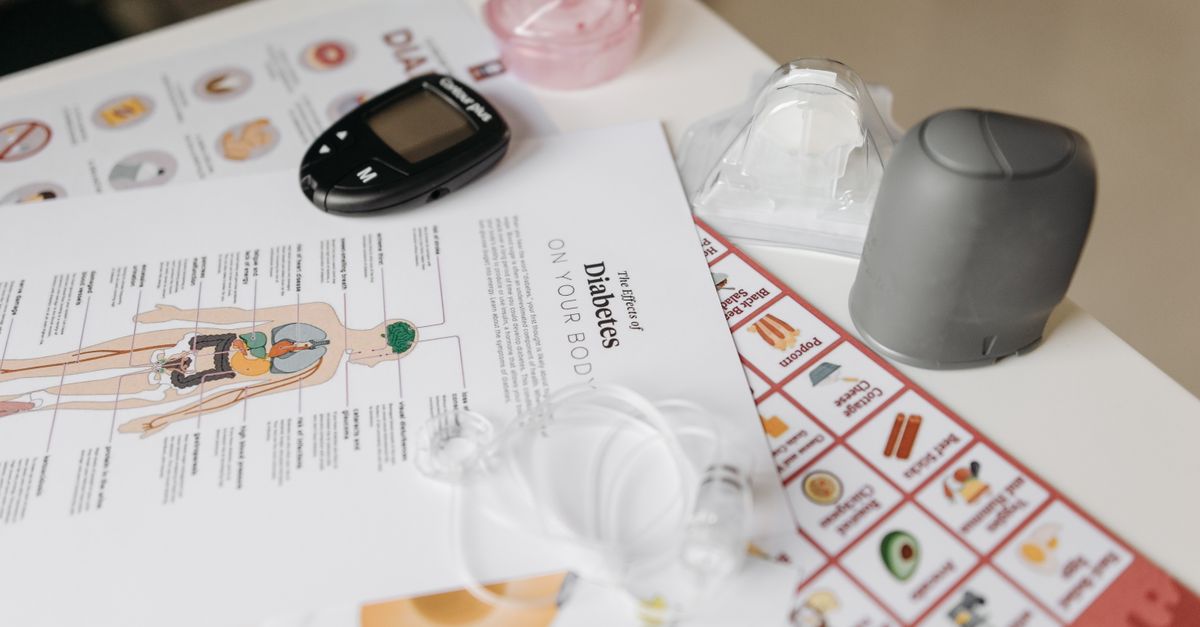
- Insulin resistance, which can lead to type 2 diabetes
- Fatigue
- Mood changes, anxiety, or depression
- Infertility or difficulty conceiving
- Skin tags
- Darkening of skin (acanthosis nigricans) in body folds like the neck, groin, and under breasts
Diagnosing PCOS
Diagnosing PCOS involves a thorough medical history, physical examination, blood tests, and often an ultrasound scan. There isn't one single test for PCOS.
The Rotterdam Criteria
The most widely accepted diagnostic criteria (Rotterdam criteria) require at least two of the following three features to be present, after excluding other conditions that mimic PCOS:
- Irregular or absent ovulation (manifesting as irregular periods)
- Evidence of high androgen levels (clinically, like hirsutism/acne, or biochemically, via blood tests)
- Polycystic ovaries on ultrasound (12 or more follicles measuring 2-9mm in one or both ovaries, or increased ovarian volume)
Managing PCOS: A Holistic Approach
While there is no 'cure' for PCOS, its symptoms and long-term risks can be effectively managed with a personalized treatment plan. The approach is often holistic, combining lifestyle changes with medical interventions.
Lifestyle Modifications
These are often the first line of treatment and can significantly improve symptoms:
- Healthy Diet: Focus on whole, unprocessed foods, lean proteins, healthy fats, and complex carbohydrates. Limit refined sugars and processed foods. This can help manage insulin resistance and weight.
- Regular Exercise: Aim for at least 30 minutes of moderate-intensity activity most days of the week. Exercise improves insulin sensitivity and can aid in weight management.
- Weight Management: Even a modest weight loss (5-10% of body weight) can significantly improve PCOS symptoms, including menstrual regularity and fertility.
- Stress Management: Techniques like yoga, meditation, and adequate sleep can help manage stress, which can sometimes worsen hormonal imbalances.
Medical Management
Medications may be prescribed to address specific symptoms:
- Oral Contraceptives: Can regulate periods, reduce androgen levels, and improve acne and hirsutism.
- Anti-androgen Medications: Prescribed for severe hirsutism or hair loss.
- Insulin-Sensitizing Medications (e.g., Metformin): Can improve insulin resistance, leading to more regular periods and sometimes aiding in weight management.
- Fertility Treatments: For women trying to conceive, medications like clomiphene or letrozole can stimulate ovulation.
PCOS and Fertility
PCOS is a leading cause of infertility due to anovulation (lack of ovulation). However, many women with PCOS can and do get pregnant. Lifestyle changes, combined with ovulation-inducing medications or other fertility treatments, can significantly improve the chances of conception. Early intervention and consistent management are key.
Long-Term Health Risks
Without proper management, PCOS can increase the risk of certain long-term health issues, including:
- Type 2 Diabetes
- Gestational Diabetes (if pregnant)
- Heart disease
- High blood pressure
- High cholesterol
- Sleep apnea
- Endometrial cancer (due to prolonged exposure to estrogen without progesterone)
Regular monitoring and proactive management can significantly reduce these risks.
Dr. Neha Mehta's Advice
揢nderstanding PCOS is the first step towards empowerment. I want every woman to know that you are not alone in this journey. PCOS is a manageable condition, and with a collaborative approach between you and your healthcare provider, we can effectively address your symptoms and protect your long-term health. Please remember that every woman抯 experience with PCOS is unique, and so should be her treatment plan. Self-diagnosis or relying on unverified information can be misleading and even harmful. My strongest advice is to seek professional medical guidance. We will work together to find the right strategies tailored just for you.�
Conclusion
PCOS is a common, complex, but manageable condition. By understanding its symptoms, getting an accurate diagnosis, and committing to a personalized management plan, you can significantly improve your quality of life and reduce potential long-term health risks. Remember, you deserve comprehensive, empathetic care.
If you suspect you have PCOS or are struggling with its symptoms, please don't hesitate to reach out.