Understanding PCOS: A Comprehensive Guide from Dr. Neha Mehta
Dear wonderful women,
As a gynaecologist, I often see patients grappling with symptoms that can be confusing, frustrating, and even isolating. One such condition that frequently affects women of reproductive age is Polycystic Ovary Syndrome, or PCOS. It抯 a common hormonal disorder, and if you抳e been diagnosed, or suspect you might have it, please know � you are not alone, and there抯 a great deal we can do to manage it effectively.
My aim today is to demystify PCOS, providing you with clear, medically accurate, and empathetic information, so you feel empowered and informed about your health.
What Exactly is PCOS?
PCOS is a complex hormonal disorder that affects how a woman抯 ovaries work. It抯 characterised by a combination of signs and symptoms related to an imbalance of reproductive hormones. While the exact cause isn't fully understood, it抯 thought to be a mix of genetic and environmental factors, often involving insulin resistance and increased levels of androgens (male hormones).
It抯 important to understand that having 憄olycystic� ovaries on an ultrasound doesn抰 automatically mean you have PCOS. The diagnosis involves a broader look at your symptoms and blood tests.
Recognizing the Signs: Common PCOS Symptoms
PCOS symptoms can vary widely from woman to woman, both in type and severity. Some women experience mild symptoms, while others find them quite disruptive. Here are some of the most common indicators:
- Irregular Menstrual Cycles: This is one of the most classic signs. Periods might be infrequent (oligomenorrhea), absent (amenorrhea), or unpredictable. This is due to irregular ovulation or lack of ovulation altogether.
- Excess Androgen (Male Hormone) Symptoms: Higher levels of androgens can lead to:
- Hirsutism: Excessive hair growth on the face, chest, back, or abdomen.
- Acne: Persistent or severe acne, especially along the jawline.
- Androgenic Alopecia: Thinning hair on the scalp or male-pattern baldness.
- Polycystic Ovaries on Ultrasound: Your ovaries may appear enlarged and contain numerous small follicles (often referred to as 'cysts' but they are actually immature follicles), visible on an ultrasound scan. As mentioned, this alone isn't enough for a diagnosis.
- Weight Gain and Difficulty Losing Weight: Many women with PCOS struggle with weight management, often carrying weight around the abdominal area. This is frequently linked to insulin resistance.
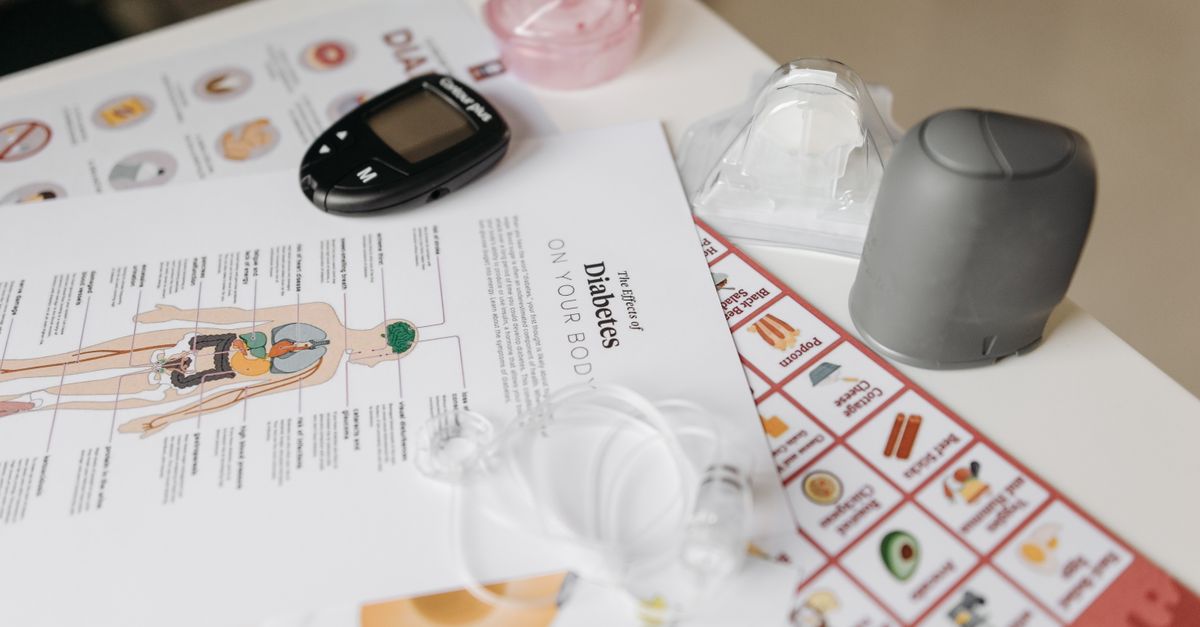
- Insulin Resistance: This means your body抯 cells don抰 respond effectively to insulin, leading to higher blood sugar levels and increased insulin production. This can contribute to weight gain and potentially increase the risk of type 2 diabetes.
- Fertility Challenges: Irregular ovulation can make it difficult to conceive naturally.
Understanding the Diagnosis: How We Confirm PCOS
Diagnosing PCOS requires a comprehensive evaluation, as there isn't a single definitive test. I follow established guidelines, often using the Rotterdam criteria, which require at least two out of the following three features:
- Irregular or absent periods (indicating anovulation or oligo-ovulation).
- Evidence of excess androgen (either clinical signs like hirsutism/acne or elevated androgen levels in blood tests).
- Polycystic ovaries seen on ultrasound (12 or more follicles measuring 2-9mm in one or both ovaries, or increased ovarian volume).
During your consultation, I will conduct a thorough physical examination, review your medical history, and order specific blood tests (to check hormone levels, blood sugar, and cholesterol) and often an ultrasound scan.
Navigating Life with PCOS: Management Strategies
While there isn't a 'cure' for PCOS, it is highly manageable. Our goal is to alleviate symptoms, reduce the risk of long-term complications, and improve your quality of life. Treatment is always individualised, focusing on your specific symptoms and goals.
Lifestyle Modifications: The Foundation
For many women, lifestyle changes are the cornerstone of PCOS management, and often the first line of defence:
- Balanced Diet: Focusing on whole, unprocessed foods, lean proteins, healthy fats, and complex carbohydrates can help manage insulin resistance and weight.
- Regular Exercise: Physical activity improves insulin sensitivity and helps with weight management.
- Weight Management: Even a modest weight loss (5-10% of body weight) can significantly improve symptoms like irregular periods, insulin resistance, and fertility.
- Stress Reduction: Managing stress through mindfulness, yoga, or other relaxation techniques can positively impact hormonal balance.
Medical Management: Tailored Support
Depending on your symptoms and needs, medical interventions may include:
- Oral Contraceptive Pills (OCPs): Often prescribed to regulate menstrual cycles, reduce androgen levels (improving acne and hirsutism), and protect the uterine lining.
- Anti-Androgen Medications: Can help reduce symptoms like excessive hair growth and severe acne.
- Insulin-Sensitizing Medications (e.g., Metformin): Used to improve insulin resistance, which can help regulate periods, aid in weight management, and potentially improve fertility in some cases.
- Medications for Fertility: If conception is a goal, specific medications to induce ovulation may be prescribed.
Fertility and PCOS: What You Should Know
Difficulty conceiving is a common concern with PCOS. However, with appropriate management, many women with PCOS successfully become pregnant. This might involve lifestyle changes, ovulation-inducing medications, or in some cases, assisted reproductive technologies like IVF. Early consultation is key.
Dr. Neha Mehta's Advice: Your Journey with PCOS
My dearest patients, navigating PCOS can feel overwhelming, but it's a journey we can embark on together. Here are my key pieces of advice:
- Listen to Your Body: Pay attention to your symptoms and how they evolve. Your body communicates with you.
- Embrace a Holistic Approach: Lifestyle changes are incredibly powerful. They aren't just 'diet and exercise'; they are about nourishing your body and mind for long-term health.
- Consistency is Key: Managing PCOS is often about consistent, sustainable efforts rather than quick fixes.
- Seek Personalized Care: Every woman's PCOS journey is unique. What works for one person may not work for another. It's crucial to have a healthcare provider who understands your individual needs and can tailor a management plan just for you.
- Prioritise Mental Well-being: Living with chronic conditions can impact mental health. Don't hesitate to seek support for anxiety, depression, or body image concerns.
- Stay Informed and Ask Questions: Be an active participant in your healthcare. Don't be afraid to ask me or my team any questions you have.
Conclusion
PCOS is a prevalent condition that requires understanding, patience, and a proactive approach. While it presents challenges, it is absolutely manageable, and with the right support and strategies, you can lead a healthy, fulfilling life. Remember, your well-being is my priority, and I am here to guide you through every step of your journey.
If you suspect you have PCOS, or if you're looking for personalized management strategies, please don't hesitate to reach out. Your health matters, and together, we can work towards optimal well-being.
Book a confidential consultation with Dr. Neha Mehta today to discuss your health concerns.