
The Power of Prevention: Why Regular Gynaecological Check-ups Are Essential
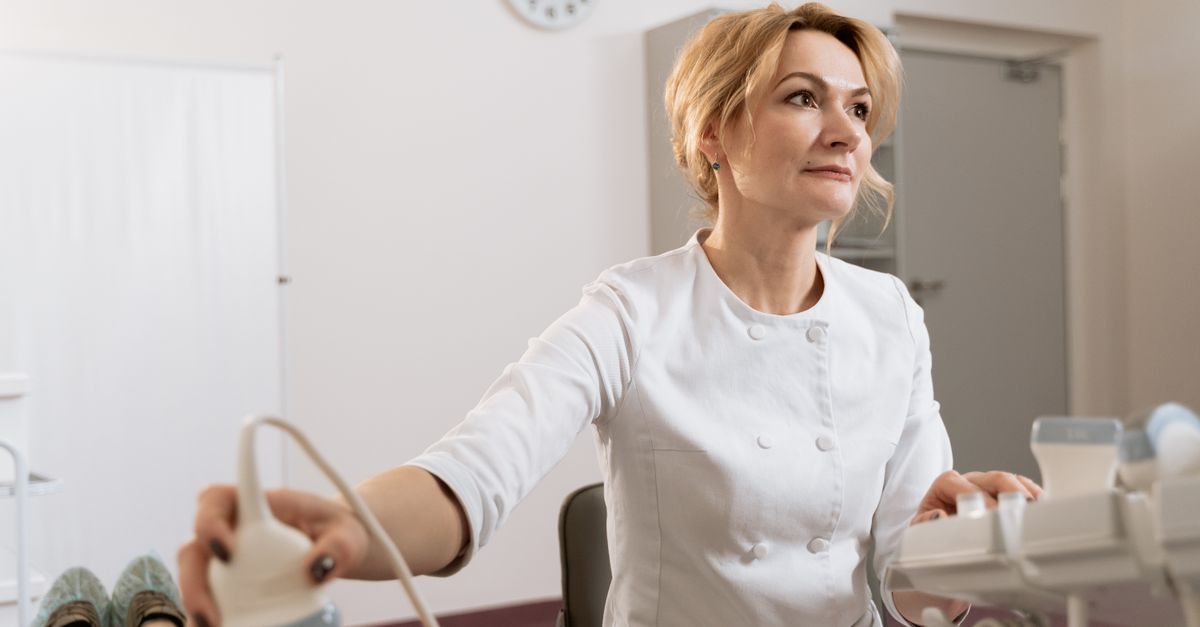
Prioritizing Your Health: A Foundation for Well-being
As women, we often find ourselves expertly balancing professional responsibilities, family commitments, and personal aspirations. In the midst of this busy dance, it can be easy to overlook one of the most crucial aspects of our well-being: our gynaecological health. However, proactive care isn't a luxury � it's a fundamental necessity. Regular gynaecological check-ups are not just routine appointments; they are powerful pillars of preventive health, offering far more than just peace of mind. They are indispensable tools for early detection, effective management, and overall empowerment in your health journey.
More Than Just a Pap Smear: What a Gynaecological Check-up Covers
Many women associate a gynaecological visit solely with a Pap smear, and while this is a vital component, these appointments are comprehensive assessments of your reproductive and overall health. During your personalized consultation with Dr. Neha Mehta, you can expect a thorough and supportive experience that typically includes:
- Medical History Review: A detailed discussion about your menstrual cycle, sexual health, any symptoms you're experiencing, family history of gynaecological conditions, and lifestyle factors.
- Pelvic Examination: A gentle visual and physical examination of your vulva, vagina, cervix, uterus, and ovaries to check for any abnormalities, tenderness, or growths.
- Pap Smear (Cervical Screening): A crucial test that collects cells from your cervix to detect any abnormal changes that could potentially lead to cervical cancer.
- Breast Examination: A clinical breast exam performed by Dr. Mehta to check for any lumps, thickening, or other changes in your breast tissue, complementing your self-exams.
- Contraception and Family Planning Discussion: Comprehensive guidance on various birth control options, preconception counseling if you're planning a family, or addressing any fertility concerns you may have.
- STI Screening: If appropriate and based on your sexual health history, testing for sexually transmitted infections (STIs) to ensure your reproductive health.
- General Health Discussion: An opportunity to discuss broader concerns about diet, exercise, stress management, bone health, and menopausal symptoms, ensuring a holistic approach to your well-being.
Early Detection: The Key to Better Outcomes
The primary and most profound benefit of regular gynaecological check-ups lies in early detection. Many gynaecological conditions, including serious ones like certain cancers, can be asymptomatic in their early stages. Catching issues early means:
- Cervical Cancer: Pap smears have revolutionized women's health by identifying precancerous changes that can be treated before they progress to cervical cancer, drastically reducing mortality rates.
- Breast Cancer: Clinical breast exams, combined with mammograms (when recommended based on age and risk factors), significantly increase the chances of early breast cancer detection, leading to more successful treatment outcomes.
- Sexually Transmitted Infections (STIs): Early diagnosis and treatment of STIs are crucial to prevent long-term complications such as pelvic inflammatory disease, infertility, and chronic pain, while also preventing further transmission.
- Uterine Fibroids, Ovarian Cysts, and Endometriosis: These common conditions can be monitored or managed effectively when detected early, alleviating discomfort, preserving fertility, and preventing potential long-term complications.
- Polycystic Ovary Syndrome (PCOS) and Hormonal Imbalances: Early diagnosis allows for personalized lifestyle modifications and medical management to alleviate symptoms, regulate menstrual cycles, and prevent associated health risks like diabetes and heart disease.
When and How Often Should You See Your Gynaecologist?
The general recommendation is for women to begin regular gynaecological check-ups from the age of 21, or earlier if they are sexually active or experiencing specific symptoms. The frequency of Pap smears and other screenings will be tailored to your individual health history, age, and risk factors, as advised by Dr. Neha Mehta. It's important to discuss this with your doctor to create a personalized screening schedule.
Preparing for Your Appointment
To make the most of your visit and ensure a productive discussion, consider these helpful tips:
- Note down any symptoms or concerns you抳e had, even if they seem minor or intermittent. This includes changes in your menstrual cycle, unusual discharge, pain, or discomfort.
- Be ready to discuss your menstrual history, including the start date of your last period, the typical duration and flow, and any irregularities.
- List all medications you are currently taking, including over-the-counter drugs, supplements, and herbal remedies.
- Don't hesitate to ask questions � no question about your health is too small or insignificant. Jot them down beforehand so you don't forget.
- For accurate Pap smear results, it's generally advised to avoid douching, using vaginal deodorants or spermicides, and having sexual intercourse for at least 24-48 hours before your appointment.
Your Health, Your Advocate: Don't Delay
Prioritizing your gynaecological health is a powerful act of self-care and empowerment. It's about taking control of your well-being, staying informed, and building a trusted, supportive relationship with your healthcare provider. Don't wait for symptoms to arise; empower yourself with the invaluable knowledge and protection that regular check-ups provide. Dr. Neha Mehta is dedicated to supporting you in every step of your health journey, ensuring you receive comprehensive, compassionate, and expert care.
Schedule your annual gynaecological check-up today and make a vital investment in your lasting health and well-being.