
Preserving Possibilities: Understanding Egg Freezing with Dr. Neha Mehta
Preserving Your Future: An Introduction to Egg Freezing
In today's dynamic world, many individuals find themselves navigating career aspirations, personal growth, and relationship timelines that may not align with their biological clock for starting a family. At times, medical conditions can also impact future fertility. This is where egg freezing, or oocyte cryopreservation, emerges as a powerful option, offering the incredible ability to preserve your fertility and empower you with choices for your future.
As a Gynaecologist, I, Dr. Neha Mehta, am dedicated to helping you understand your reproductive health options comprehensively and empathetically. Egg freezing is not just a medical procedure; it's an investment in your future, providing peace of mind and flexibility.
Who Should Consider Egg Freezing?
Egg freezing can be a viable and empowering choice for various individuals:
- Women desiring to delay childbearing: For career advancement, personal reasons, or seeking the right partner.
- Individuals facing medical treatments: Such as chemotherapy or radiation, which can impact ovarian function and fertility.
- Those with a family history of early menopause: To preserve eggs before natural decline.
- Women with certain medical conditions: That may compromise fertility over time.
- Ethical or personal reasons: For those undergoing IVF who may wish to preserve eggs rather than embryos.
Understanding the Egg Freezing Process: Step-by-Step
The egg freezing journey is a carefully orchestrated process, typically involving several key stages:
1. Initial Consultation and Assessment
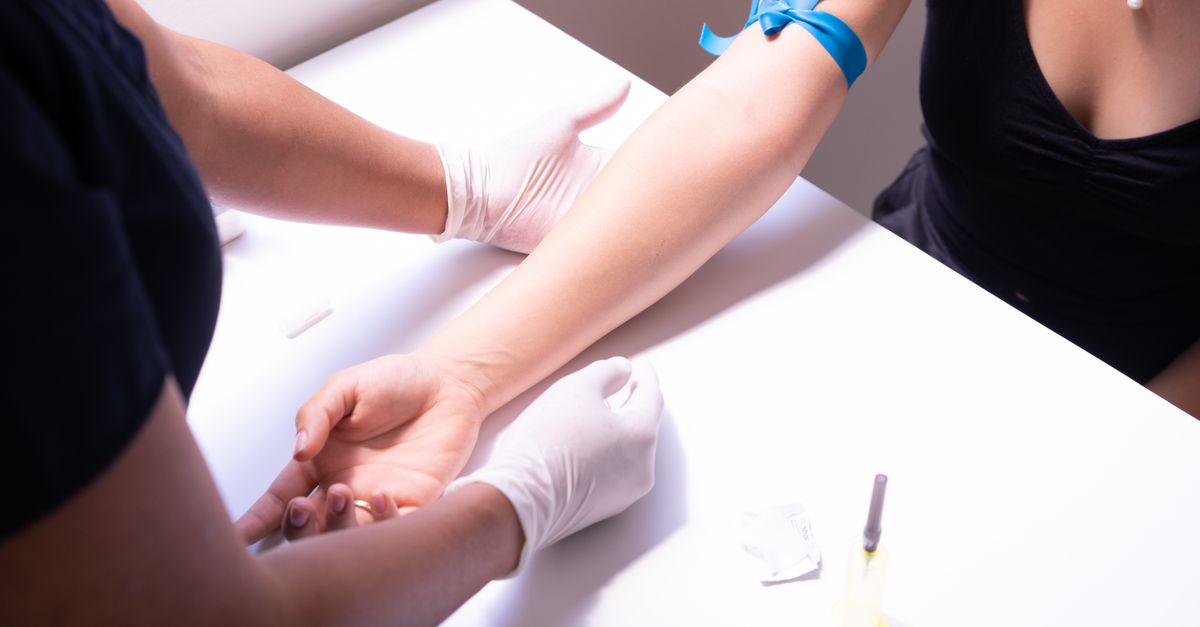
Your journey begins with a thorough consultation with me, Dr. Neha Mehta. We will discuss your medical history, reproductive goals, and I will perform a comprehensive assessment. This typically includes blood tests (to check ovarian reserve hormones like AMH, FSH, Estradiol) and a transvaginal ultrasound (to evaluate your ovaries and count antral follicles). This helps tailor a personalized treatment plan for you.
2. Ovarian Stimulation
Once deemed suitable, you'll begin a course of injectable fertility medications (gonadotropins) for about 10-14 days. These hormones stimulate your ovaries to produce multiple mature eggs, rather than the single egg typically released in a natural cycle. Throughout this phase, you'll have regular monitoring appointments with blood tests and ultrasounds to track follicle growth and adjust medication dosages as needed. Our goal is to ensure optimal egg development while minimizing any discomfort.
3. Egg Retrieval
When your follicles have reached an optimal size, a "trigger shot" is administered to induce final egg maturation. Approximately 34-36 hours later, the egg retrieval procedure takes place. This is a minor surgical procedure performed under light sedation or general anesthesia, ensuring your comfort. I will use a transvaginal ultrasound-guided needle to gently aspirate the fluid from each mature follicle, collecting the eggs. The procedure typically takes about 15-30 minutes, and most women can go home the same day.
4. Cryopreservation (Freezing)
Immediately after retrieval, the collected mature eggs are taken to our state-of-the-art embryology laboratory. Here, highly specialized embryologists rapidly freeze the eggs using a technique called vitrification. This ultra-rapid freezing method prevents ice crystal formation, which can damage cells, thus preserving the eggs' viability for future use. The frozen eggs are then stored securely in liquid nitrogen tanks until you are ready to use them.
What to Expect After Egg Freezing?
After your procedure, you might experience mild cramping, spotting, or bloating for a few days. Most women can resume normal activities within a day or two. We will provide detailed post-procedure care instructions and be available to answer any questions you may have during your recovery.
Important Considerations and Success Rates
It's crucial to understand that the success rate of egg freezing and subsequent pregnancy largely depends on the woman's age at the time of freezing, as well as the number and quality of eggs retrieved and frozen. Generally, younger women (ideally under 35) tend to have higher success rates because their eggs are of better quality. While egg freezing offers significant potential, it does not guarantee a future pregnancy. However, it significantly increases your chances compared to not preserving your fertility.
Empower Your Future with Dr. Neha Mehta
Deciding to freeze your eggs is a deeply personal and significant choice. My team and I are here to provide compassionate care, clear information, and unwavering support throughout every step of your journey. We believe in empowering you with knowledge and options so you can make informed decisions about your reproductive future with confidence and peace of mind.
If you're considering egg freezing or simply wish to learn more about your fertility options, I invite you to schedule a consultation. Let's discuss how we can help you preserve your possibilities.