PCOS Demystified: A Gynecologist's Guide to Polycystic Ovary Syndrome
Welcome, dear readers. As a gynaecologist, I often encounter women who are confused, frustrated, and sometimes even fearful about a condition called Polycystic Ovary Syndrome, or PCOS. It抯 a common hormonal disorder affecting millions of women worldwide, and unfortunately, it's often misunderstood. My aim today is to provide clear, trustworthy, and medically accurate information to help you understand PCOS better, empowering you to take control of your health.
What is Polycystic Ovary Syndrome (PCOS)?
At its core, PCOS is a complex endocrine disorder characterized by a hormonal imbalance. It抯 not just about having cysts on your ovaries (which, interestingly, not all women with PCOS have!). Instead, it抯 a syndrome that affects your ovaries' function, leading to a range of symptoms and potential health concerns.
Specifically, women with PCOS typically experience one or more of the following:
- Irregular or prolonged menstrual periods: This is often due to infrequent or absent ovulation (anovulation).
- Excess androgen: Higher levels of 'male' hormones can lead to physical signs like excess body and facial hair (hirsutism), acne, and male-pattern baldness.
- Polycystic ovaries: Ovaries may appear enlarged and contain numerous small follicles (often mistakenly called 'cysts') on ultrasound, indicating an ovulatory dysfunction.
Common Symptoms of PCOS
The symptoms of PCOS can vary widely from woman to woman, both in type and severity. This variability often makes diagnosis challenging and can be a source of significant distress.
Irregular Menstrual Cycles
- Infrequent periods (oligomenorrhea)
- Absent periods (amenorrhea)
- Heavy or prolonged bleeding when periods do occur
Androgen Excess Signs
- Hirsutism: Excessive hair growth on the face, chest, back, or abdomen.
- Acne: Persistent or severe acne, particularly cystic acne.
- Androgenic alopecia: Thinning hair on the scalp or male-pattern baldness.
Metabolic and Other Symptoms
- Weight Management Challenges: Many women with PCOS find it difficult to lose weight or tend to gain weight easily, especially around the abdomen.
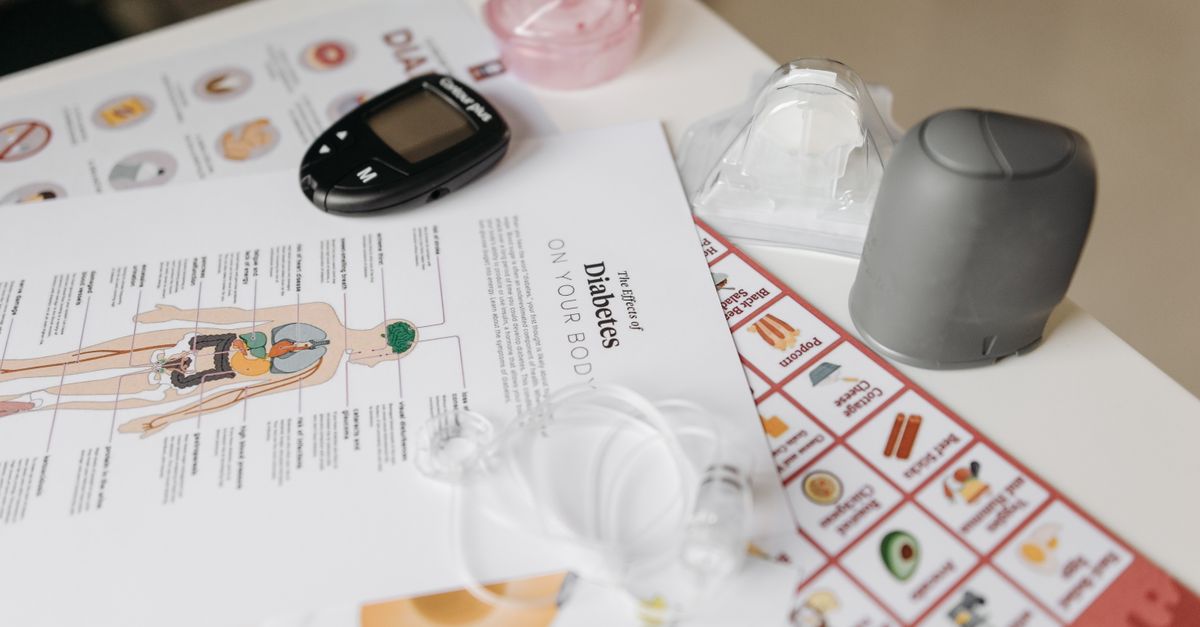
- Insulin Resistance: A significant number of women with PCOS have insulin resistance, which can increase the risk of type 2 diabetes.
- Fertility Difficulties: Irregular ovulation is a primary cause of difficulty conceiving.
- Fatigue and Mood Changes: Including anxiety and depression.
- Sleep Apnea: More common in women with PCOS, especially those who are overweight.
How is PCOS Diagnosed?
Diagnosing PCOS involves a careful assessment of your symptoms, a physical examination, and specific tests. There isn't one single test for PCOS. We generally follow criteria that look for a combination of signs. Your gynaecologist will likely consider:
- Your Medical History: Discussing your menstrual cycle patterns, weight changes, and any concerning symptoms.
- Physical Examination: Checking for signs like excess hair growth, acne, or skin changes (e.g., acanthosis nigricans, which is skin darkening, often a sign of insulin resistance).
- Blood Tests: To measure hormone levels (androgens, FSH, LH, prolactin, thyroid hormones), blood sugar, and cholesterol. This helps rule out other conditions and confirm hormonal imbalances.
- Pelvic Ultrasound: To examine your ovaries for the presence of multiple small follicles and assess the uterine lining.
Managing PCOS: A Holistic Approach
While there's no 'cure' for PCOS, it is absolutely manageable. The treatment strategy is highly individualized, focusing on managing your specific symptoms and reducing long-term health risks.
Lifestyle Modifications: Your First Line of Defense
- Balanced Nutrition: Focus on whole foods, lean proteins, healthy fats, and complex carbohydrates. Limiting refined sugars and processed foods can significantly help manage insulin resistance and weight.
- Regular Exercise: Even moderate physical activity can improve insulin sensitivity, aid in weight management, and boost mood.
- Stress Management: Techniques like yoga, meditation, or simply spending time on hobbies can help regulate hormones and improve overall well-being.
Medical Management
Depending on your symptoms and goals, your gynaecologist might recommend:
- Oral Contraceptives: Often prescribed to regulate menstrual cycles, reduce androgen levels (improving acne and hirsutism), and protect the uterine lining.
- Medications for Insulin Resistance: Such as Metformin, which can improve insulin sensitivity, aid in weight management, and sometimes help regulate periods.
- Anti-androgen Medications: To specifically target excessive hair growth and severe acne.
- Fertility Treatments: For women trying to conceive, medications like Clomiphene or Letrozole can stimulate ovulation. More advanced options like IVF may also be considered.
- Treatments for Specific Symptoms: Such as dermatological treatments for acne or hair removal options for hirsutism.
Living Well with PCOS: A Long-Term Partnership
Living with PCOS is a journey that requires patience, persistence, and a strong partnership with your healthcare provider. It's about understanding your body, making informed choices, and actively participating in your management plan. Remember, you are not alone, and effective strategies are available to help you live a full and healthy life.
Dr. Neha Mehta's Advice:
My dearest patients, please know that knowledge is your greatest tool when navigating PCOS. Do not self-diagnose or rely on anecdotal information. Every woman's experience with PCOS is unique, and what works for one may not work for another. The most crucial step is to seek a professional diagnosis and discuss all your concerns openly with your gynaecologist. We are here to provide personalized care, guide you through the complexities, and empower you with a tailored management plan. Regular follow-ups are key to adjusting treatments as your needs evolve. Be kind to yourself, be consistent with your lifestyle changes, and never hesitate to ask questions.
Conclusion
PCOS is a common, complex, but highly manageable condition. With accurate information, a proactive approach to lifestyle, and the right medical guidance, you can effectively manage your symptoms and mitigate long-term health risks. Don't let PCOS define you; let's work together to empower your health journey.
If you suspect you have PCOS, are struggling with symptoms, or simply need expert advice on managing your condition, please don't hesitate to schedule a consultation. Your health is paramount, and I am here to support you every step of the way.