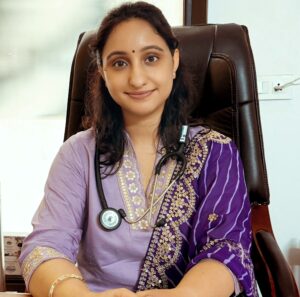
Navigating Your C-Section Recovery Journey with Dr. Neha Mehta
Welcome to Motherhood: Embracing Your C-Section Recovery
Congratulations on the arrival of your little one! A C-section, or Caesarean section, is a major abdominal surgery, and while it brings your baby safely into the world, it also means your body needs time and special care to heal. As Dr. Neha Mehta, my priority is to support you through every step of your postpartum journey. Here抯 a comprehensive guide to help you navigate your C-section recovery with confidence and comfort.
Immediate Post-Op Care: Your First Few Days
The initial days after your C-section are crucial for laying the groundwork for a smooth recovery. You'll likely experience some pain, and our team will ensure you have appropriate pain relief. Early, gentle movement is encouraged to prevent blood clots and aid recovery.
- Pain Management: Don't hesitate to request pain medication. Managing your pain effectively allows you to rest, move, and care for your baby more comfortably. We'll work with you to find the right balance.
- Gentle Movement: While rest is vital, short, slow walks around your room, with assistance, are beneficial. This helps circulation and aids digestion.
- Hydration and Nutrition: Focus on drinking plenty of water and eating easily digestible, nutrient-rich foods to support healing and prevent constipation.
Caring for Your Incision Site
Your incision is a key area requiring careful attention to prevent infection and promote healing.
- Keep it Clean and Dry: Gently wash the area with mild soap and water during your shower, then pat it dry thoroughly. Avoid rubbing.
- Monitor for Infection: Watch for signs like increased redness, swelling, severe pain, pus, or foul odor. Contact us immediately if you notice any of these.
- Loose Clothing: Opt for loose-fitting, soft clothing that doesn't rub against your incision.
Managing Pain and Discomfort at Home
Once you're home, continue to manage pain proactively.
- Medication Schedule: Stick to the prescribed pain medication schedule. Don't wait for pain to become severe before taking it.
- Support Your Abdomen: When coughing, laughing, or moving, gently press a pillow against your incision for support.
- Heat/Cold Packs: Ask us if a warm compress or cool pack might be beneficial for muscle aches, avoiding direct application to the incision unless advised.
Activity and Rest: Finding the Balance
Healing requires rest, but gradual activity is also important. The general rule is "nothing heavier than your baby" for the first 6-8 weeks.
- Avoid Heavy Lifting: Refrain from lifting anything heavier than your newborn for at least six to eight weeks, or as advised.
- Stairs: Take stairs slowly, one step at a time, using handrails.
- Driving: Most doctors recommend waiting until your incision is healed, you're off strong pain medication, and you can comfortably perform an emergency stop � typically 2-4 weeks. Always check with us first.
- Prioritize Rest: Sleep when your baby sleeps. Accept help from family and friends.
Nourishing Your Body for Healing
What you eat and drink plays a significant role in your recovery.
- High-Fiber Diet: To prevent constipation (common after C-sections due to medication and reduced activity), include plenty of fruits, vegetables, and whole grains.
- Stay Hydrated: Drink ample water to support healing, maintain energy, and, if breastfeeding, support milk production.
- Nutrient-Rich Foods: Focus on lean proteins (for tissue repair) and vitamins (especially Vitamin C for collagen formation).
Emotional Well-being: It's Okay Not to Be Okay
A C-section is an emotional experience. It's normal to feel a range of emotions � joy, relief, but also disappointment, frustration, or even grief. Hormonal shifts can amplify these feelings.
- Talk About It: Share your feelings with your partner, a trusted friend, or family member.
- Recognize Baby Blues vs. PPD: "Baby blues" (mood swings, tearfulness) are common in the first two weeks. If these feelings persist or worsen, or if you experience severe sadness, anxiety, panic attacks, or difficulty bonding with your baby, you might be experiencing postpartum depression or anxiety. Please reach out to us immediately.
- Seek Support: Don't hesitate to ask for professional help. We are here to support your mental health as much as your physical recovery.
When to Call Dr. Neha Mehta's Office
While many aspects of C-section recovery are normal, certain signs warrant immediate medical attention. Please contact us if you experience:
- Fever (over 100.4癋 or 38癈)
- Severe or worsening pain that isn't relieved by medication
- Signs of incision infection (increased redness, swelling, pus, foul odor, or opening of the incision)
- Heavy vaginal bleeding (soaking more than one pad an hour for several hours) or large clots
- Painful urination or inability to urinate
- Severe headache, blurred vision, or swelling in your hands/face
- Calf pain, redness, or swelling (could indicate a blood clot)
- Persistent feelings of sadness, anxiety, or inability to cope
Your Recovery Journey: Be Kind to Yourself
C-section recovery is a marathon, not a sprint. Be patient and kind to your body. Listen to its signals, prioritize rest, and don't be afraid to ask for help. Remember, my team and I at Dr. Neha Mehta's practice are here to support you every step of the way, ensuring a healthy and empowering transition into motherhood. You've done an amazing job bringing your baby into the world � now let us help you heal.