
Maintaining Optimal Vaginal Health: A Gynaecologist's Essential Guide
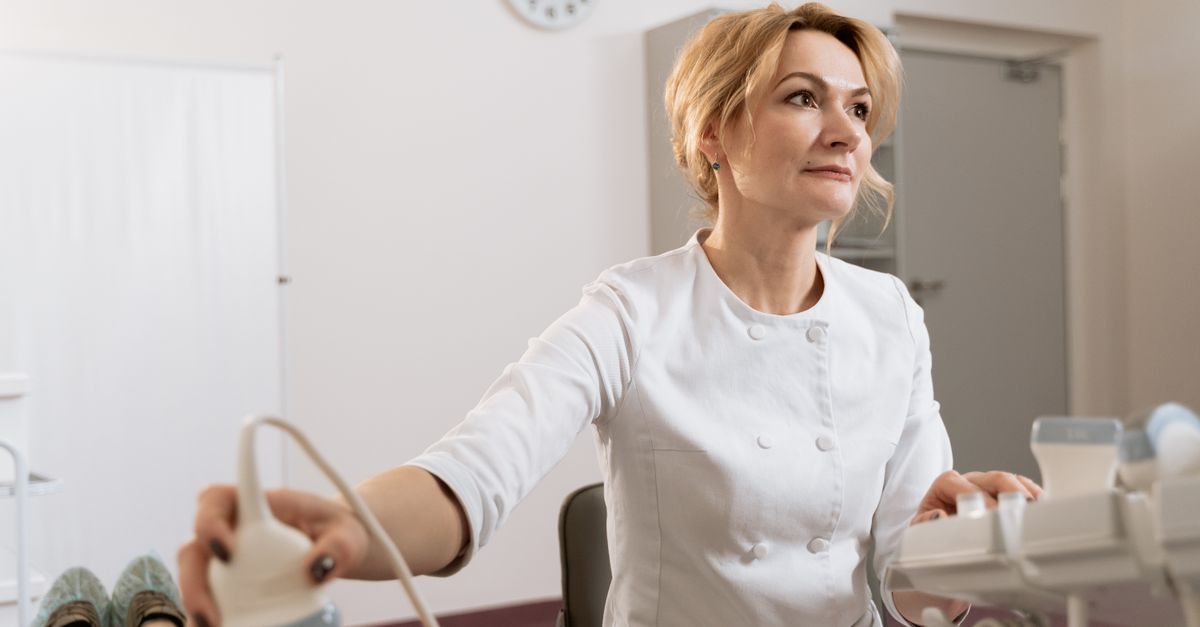
As women, our bodies are incredible, intricate systems. Understanding and nurturing every aspect of our health is paramount, and vaginal health is no exception. It's a cornerstone of our overall well-being, influencing everything from comfort and confidence to reproductive health. Here at Dr. Neha Mehta's clinic, we believe in empowering you with the knowledge to maintain your optimal vaginal health.
Understanding Your Vagina's Natural Balance
Your vagina is a marvel of self-regulation. It maintains a delicate ecosystem, primarily characterized by a slightly acidic pH balance (typically between 3.8 and 4.5) and a thriving population of 'good' bacteria, mainly Lactobacilli. These friendly bacteria produce lactic acid, which helps keep harmful bacteria and yeasts in check, preventing infections. This natural balance is essential, and many of our tips focus on supporting it rather than disrupting it.
Key Tips for Maintaining Vaginal Health
Maintaining optimal vaginal health doesn't require complex routines; often, it's about mindful habits and listening to your body. Here are Dr. Neha Mehta's essential tips:
-
Gentle Hygiene is Key
Your vagina is naturally self-cleaning, so harsh scrubbing or douching is unnecessary and can even be harmful. Douching can disrupt the natural pH balance, washing away beneficial bacteria and increasing the risk of infections. For external cleansing, use warm water and a mild, unscented soap on the vulva (the external area). Avoid perfumed products, wipes, or sprays that can cause irritation.
-
Choose Breathable Underwear
Opt for cotton underwear. Cotton is breathable and absorbs moisture, helping to keep the area dry and preventing the growth of yeast and bacteria. Avoid synthetic fabrics like nylon or silk for everyday wear, as they can trap heat and moisture. Also, steer clear of excessively tight clothing that can restrict airflow.
-
Stay Hydrated and Eat Well
A healthy diet rich in fruits, vegetables, and probiotics (found in yogurt and fermented foods) can support your overall health, including your vaginal health. Probiotics, in particular, can help maintain a healthy balance of bacteria in your gut and vagina. Adequate water intake is crucial for flushing toxins and maintaining healthy mucous membranes.
-
Practice Safe Sex
Using barrier methods like condoms consistently and correctly is vital for preventing sexually transmitted infections (STIs). STIs can significantly impact vaginal health, leading to discomfort, inflammation, and more severe reproductive health issues if left untreated. Regular STI screening is also important, especially if you have new or multiple partners.
-
Be Mindful of Medications and Hormonal Changes
Certain medications, especially antibiotics, can disrupt the vaginal bacterial balance, sometimes leading to yeast infections. If you're on antibiotics, discuss preventive measures with your doctor. Hormonal fluctuations during your menstrual cycle, pregnancy, breastfeeding, or menopause can also affect vaginal health, leading to dryness or increased sensitivity. Discuss any concerns with Dr. Neha Mehta.
-
Listen to Your Body and Seek Professional Advice
Pay attention to any changes in discharge color, odor, consistency, or any symptoms like itching, burning, discomfort during sex, or unusual bleeding. These can be signs of an infection or another issue that requires medical attention. Never hesitate to consult Dr. Neha Mehta if you experience any concerning symptoms.
-
Regular Gynaecological Check-ups
Routine visits to your gynaecologist, even when you feel perfectly healthy, are fundamental. These appointments allow for crucial screenings like Pap smears, early detection of potential issues, and provide an opportunity to discuss any concerns or questions you may have about your reproductive and vaginal health.
When to See Dr. Neha Mehta
While many minor irritations can resolve on their own, it's always best to seek professional advice if you experience persistent or new symptoms such as:
- Unusual or foul-smelling discharge
- Persistent itching, burning, or irritation
- Pain during intercourse
- Unexplained vaginal bleeding
- Sores or bumps on the vulva or vagina
Your vaginal health is an integral part of your overall well-being. By adopting these simple yet effective tips and maintaining open communication with your gynaecologist, Dr. Neha Mehta, you can ensure a healthier, more comfortable life. Remember, proactive care is the best care.