
Essential Gynecological Health Tips for Every Woman
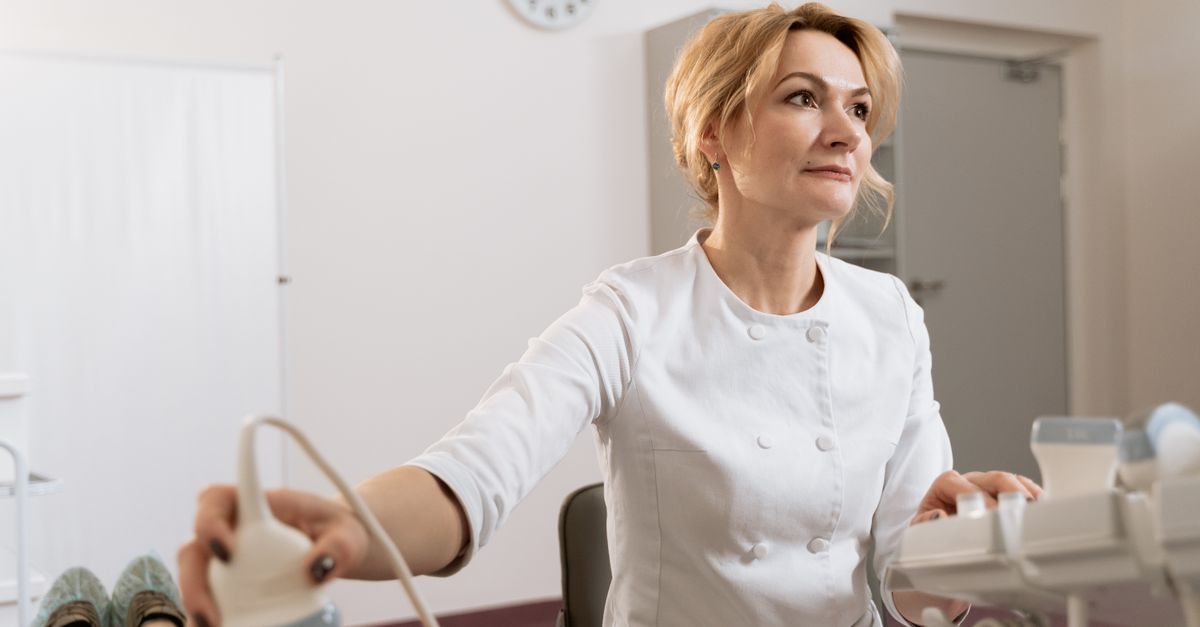
As women, we often juggle multiple responsibilities, sometimes putting our own health on the back burner. However, prioritizing your gynecological health isn't just important; it's foundational to your overall well-being and quality of life. At Dr. Neha Mehta's clinic, we believe in empowering every woman with the knowledge and tools to take charge of her health journey.
Beyond just managing periods or pregnancy, gynecological health encompasses a broad spectrum, from preventative care and early detection of diseases to maintaining sexual and reproductive well-being. Let's explore some essential tips to help you nurture this vital aspect of your health.
1. Don't Skip Your Annual Well-Woman Exam
This is arguably the most crucial tip. Your annual well-woman exam with a trusted gynaecologist like Dr. Neha Mehta is more than just a routine check-up. It's an opportunity for comprehensive screening, including a pelvic exam, breast exam, and often a Pap test for cervical cancer screening. These exams are vital for early detection of potential issues, even before symptoms appear, ensuring timely intervention and better outcomes.
- Pap Tests: Essential for detecting abnormal cervical cells that could lead to cervical cancer.
- Breast Exams: Your doctor can check for lumps or abnormalities, complementing self-exams and mammograms (as recommended).
- Discussion: A safe space to discuss contraception, fertility, menstrual irregularities, menopausal symptoms, sexual health concerns, and general wellness.
2. Understand Your Menstrual Cycle
Your menstrual cycle is a powerful indicator of your overall health. Tracking your period can help you identify patterns, predict ovulation, and notice any irregularities. Changes in flow, duration, pain levels, or cycle length could signal underlying health issues, such as hormonal imbalances, fibroids, polyps, or endometriosis.
- Track It: Use a journal or an app to record the start and end dates, flow intensity, and any associated symptoms like pain or mood changes.
- Know What's Normal For You: A "normal" cycle can vary, but persistent heavy bleeding, severe pain, or very irregular periods warrant a discussion with your gynaecologist.
3. Prioritize Vaginal Health
Vaginal health is key to comfort and preventing infections. The vagina has a delicate balance of bacteria (microbiome) that keeps it healthy. Disruptions can lead to common issues like yeast infections or bacterial vaginosis.
- Practice Good Hygiene: Wash the external area gently with plain water. Avoid douching, perfumed soaps, and sprays, which can upset the natural pH.
- Wear Breathable Underwear: Opt for cotton underwear to allow proper airflow and reduce moisture, preventing bacterial overgrowth.
- Safe Sex: Use barrier methods like condoms to prevent sexually transmitted infections (STIs), which can have significant long-term effects on reproductive health.
4. Embrace a Healthy Lifestyle
What you eat, how much you move, and how you manage stress significantly impact your gynecological health.
- Balanced Diet: A diet rich in fruits, vegetables, whole grains, and lean proteins supports hormonal balance and overall well-being.
- Regular Exercise: Physical activity can help manage weight, reduce stress, and improve circulation, all beneficial for reproductive health.
- Stress Management: Chronic stress can impact your hormonal balance and menstrual cycle. Incorporate relaxation techniques like yoga, meditation, or spending time in nature.
- Limit Harmful Habits: Reduce alcohol intake and avoid smoking, as they can negatively affect fertility, increase cancer risks, and impact hormonal health.
5. Know Your Body and Listen to It
You are the expert on your own body. Pay attention to any persistent or unusual symptoms. Don't dismiss discomfort or unusual changes as "normal" or something you just have to live with. Early detection of issues like unusual bleeding, persistent pelvic pain, unusual discharge, or changes in breast tissue can make a significant difference in treatment outcomes.
If something feels off, or if you have concerns, don't hesitate to reach out to your gynaecologist. Dr. Neha Mehta and her team are here to provide compassionate care and expert guidance, ensuring you feel heard and supported.
Your gynecological health is a journey, not a destination. By incorporating these essential tips into your routine, you're not just preventing problems; you're investing in a healthier, happier future. We encourage you to schedule your next appointment with Dr. Neha Mehta to discuss your individual health needs and ensure you're on the best path forward.