
Beyond Kegels: Essential Pelvic Floor Health Tips for Every Woman
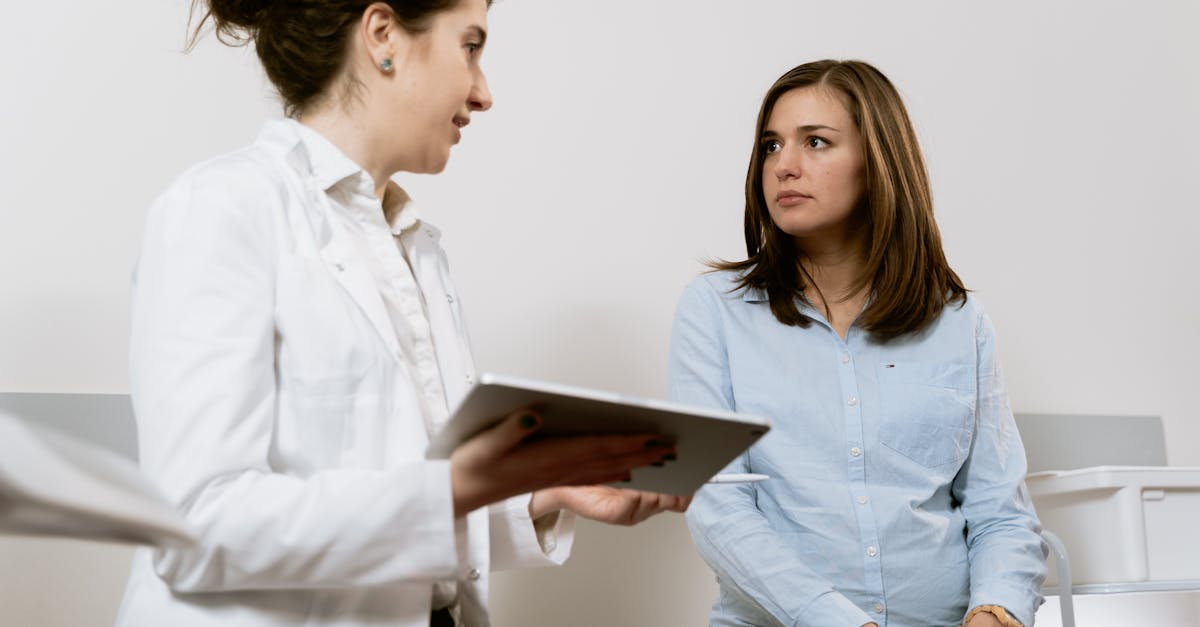
Hello, wonderful women! From Dr. Neha Mehta
As a gynaecologist, my passion lies in empowering women with the knowledge and tools to live their healthiest lives. We often focus on hormonal balance, reproductive health, and annual check-ups, but there's an unsung hero in your body that deserves more attention: your pelvic floor. It's a vital part of your core, playing a crucial role in daily comfort, continence, and overall well-being. Today, let's dive into understanding and nurturing this incredible group of muscles.
What Exactly is Your Pelvic Floor?
Imagine a powerful, flexible hammock of muscles and ligaments stretching from your pubic bone at the front to your tailbone at the back, and from side to side across your pelvis. This is your pelvic floor. These muscles act as a support system for your internal organs � your bladder, uterus, and bowel � holding them in place and ensuring they function correctly. They are also integral to your bladder and bowel control, as well as sexual function.
Why is Pelvic Floor Health So Crucial?
A strong and healthy pelvic floor is foundational to a woman's health at every stage of life. Its importance cannot be overstated:
Organ Support: It keeps your pelvic organs properly positioned, preventing issues like prolapse.
Continence: These muscles control the opening and closing of your bladder and bowel, preventing accidental leakage.
Sexual Function: A healthy pelvic floor contributes to sensation and satisfaction during sexual activity.
Pregnancy & Childbirth: It provides support during pregnancy and is crucial for a smoother childbirth and recovery process.
Core Stability: The pelvic floor works in conjunction with your deep abdominal muscles and diaphragm to create a stable and strong core.
Beyond Kegels: Practical Tips for a Strong Pelvic Floor
While Kegel exercises are famously associated with pelvic floor strength, true pelvic floor health involves a more holistic approach. Here are some essential tips:
1. Master the Proper Kegel Technique
It's not just about squeezing! Many women perform Kegels incorrectly. To do them right:
Imagine you're trying to stop the flow of urine and hold back gas simultaneously. You should feel a lifting and squeezing sensation inwards and upwards.
Avoid clenching your glutes, thighs, or abs.
Hold for 3-5 seconds, then relax completely for the same duration. Relaxation is just as important as contraction.
Aim for 10-15 repetitions, 3 times a day.
2. Incorporate Core Strengthening Exercises
Your pelvic floor is part of your core. Exercises like Pilates, yoga, and deep abdominal breathing can strengthen your entire core unit, indirectly supporting your pelvic floor. Focus on exercises that engage your deep transverse abdominis without straining.
3. Mind Your Posture
Poor posture, especially slouching, can put undue pressure on your pelvic floor. Sitting or standing tall, with your spine naturally aligned, helps to reduce this strain and allows your pelvic floor muscles to function optimally.
4. Maintain a Healthy Bowel and Bladder Routine
Straining during bowel movements can weaken your pelvic floor over time. Ensure you have adequate fiber and hydration to prevent constipation. Also, avoid 'hovering' over toilets, as this can prevent full relaxation of the pelvic floor, and don't hold your urine for excessively long periods.
5. Listen to Your Body and Seek Professional Help
Pelvic floor issues can manifest as urinary leakage, pelvic pain, a feeling of heaviness or pressure, or discomfort during intercourse. These symptoms are common but NOT normal. Don't suffer in silence. A Women's Health Physiotherapist or your gynaecologist can provide a proper diagnosis and personalized treatment plan.
When to Seek Dr. Mehta's Expert Guidance
If you're experiencing persistent symptoms such as:
Involuntary leakage of urine or stool.
Pelvic pain or pressure.
Difficulty emptying your bladder or bowels.
Pain during intercourse.
A noticeable bulge or feeling of heaviness in your vagina.
Please don't hesitate to book a consultation. Early intervention can make a significant difference in managing and often resolving these concerns.
Empowering Your Pelvic Health Journey
Prioritizing your pelvic floor health is an investment in your overall well-being, comfort, and confidence. It's a journey that starts with awareness and proactive care. Remember, you are not alone in this journey, and there are effective solutions available. Take the first step today towards a stronger, healthier you!